 Brands
Vauxhall — History, Models and Everything You Need to Know
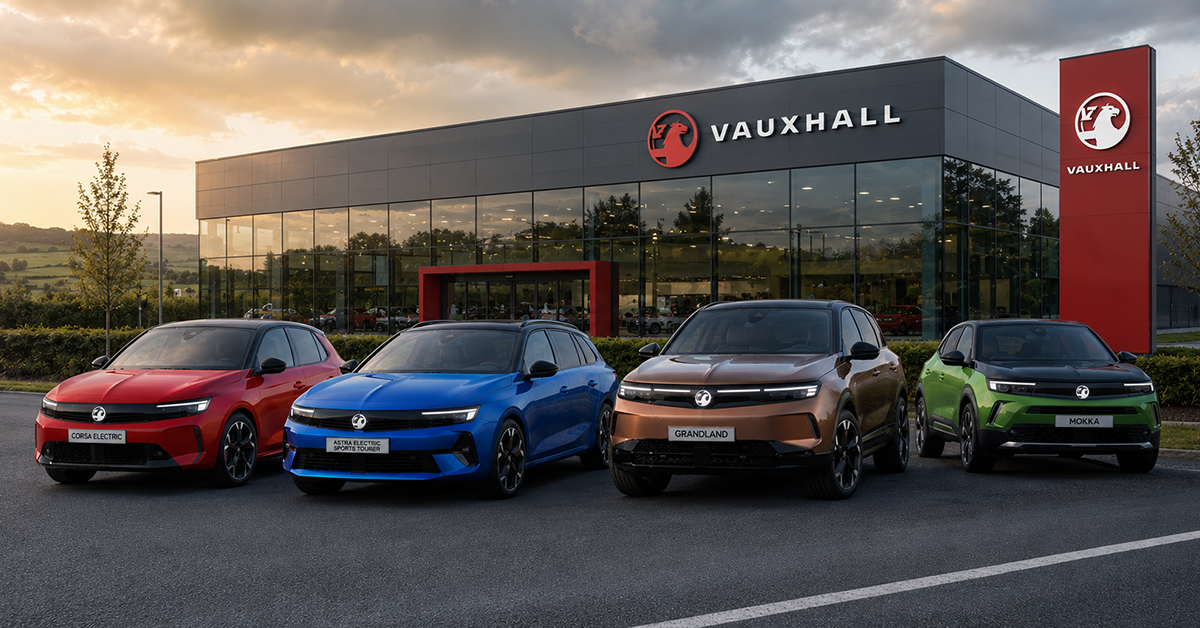
AI-generated concept illustration — Vauxhall brand overview. | Rev N Rise
Vauxhall is Britain's oldest surviving car brand and one of the most familiar names in UK motoring — a manufacturer that has been producing cars on British soil since 1903 and has given the country some of its most beloved models, from the Cavalier and Vectra to the Corsa and Astra. Now fully committed to electrification with a target of selling only electric cars in the UK from 2028, Vauxhall is entering its most transformative era since General Motors took ownership a century ago.
Alexander Wilson founded Vauxhall Iron Works in 1857 in the Vauxhall area of London — the district that gives the brand its name. The company produced marine engines and pumps before pivoting to cars in 1903. The early Vauxhall cars were well-regarded for their engineering quality and performance. The Prince Henry model of 1911 — named after the Prince Henry Tour reliability trial it was designed to win — established Vauxhall's sporting credentials and is considered one of the first true sports cars ever produced.
General Motors acquired Vauxhall in 1925 for £2.5 million — four years before its acquisition of German sibling Opel. Under GM, Vauxhall moved production to Luton and later Ellesmere Port, becoming a major employer in both towns. The postwar decades produced a succession of popular family cars — the Victor, Viva, Cavalier and Astra — that made Vauxhall a household name across Britain. The Astra and Cavalier competed directly with the Ford Escort and Sierra for the top of the UK sales charts through the 1980s and 1990s.
In 2017 PSA Group acquired Vauxhall and Opel from General Motors for €2.2 billion — ending 92 years of American ownership. PSA's strategy of platform-sharing across its brands rapidly returned Vauxhall to profitability. PSA then merged with Fiat Chrysler in 2021 to form Stellantis. Vauxhall's Ellesmere Port factory was retooled in 2022 to produce the Astra Electric and Astra Sports Tourer Electric — making it the first mass-production electric vehicle factory in the UK.
Vauxhall's Ellesmere Port plant in Cheshire holds a unique place in British automotive history — it was the first factory in the United Kingdom to mass-produce fully electric passenger cars at scale. The decision by Stellantis to invest in converting the plant to EV production — rather than closing it, which had been feared when the transition away from ICE production was announced — saved thousands of jobs and positioned Vauxhall as a genuine contributor to Britain's electric vehicle manufacturing capability. The plant produces the Astra Electric hatchback and the Astra Sports Tourer Electric estate — both on Stellantis's STLA Medium platform.
Vauxhall's strength in the UK market is built on familiarity, value and British manufacturing heritage. The brand has been part of British motoring culture for over 120 years — a presence felt in every town and every fleet across the country. The Corsa has been one of the UK's best-selling cars for most of the past two decades. The Astra's continued production at Ellesmere Port gives the brand a genuine British manufacturing story in an era when most mainstream cars are imported. And Vauxhall's commitment to full electrification by 2028 — supported by Stellantis's substantial platform and technology resources — positions it as one of the most decisive mainstream brands in the UK's EV transition. For British buyers who want a familiar, trusted brand with local manufacturing credentials and a full electric lineup, Vauxhall makes a compelling case.