 Brands
McMurtry Spéirling Pure — 1,000bhp Fan Car Revealed With Full Specs

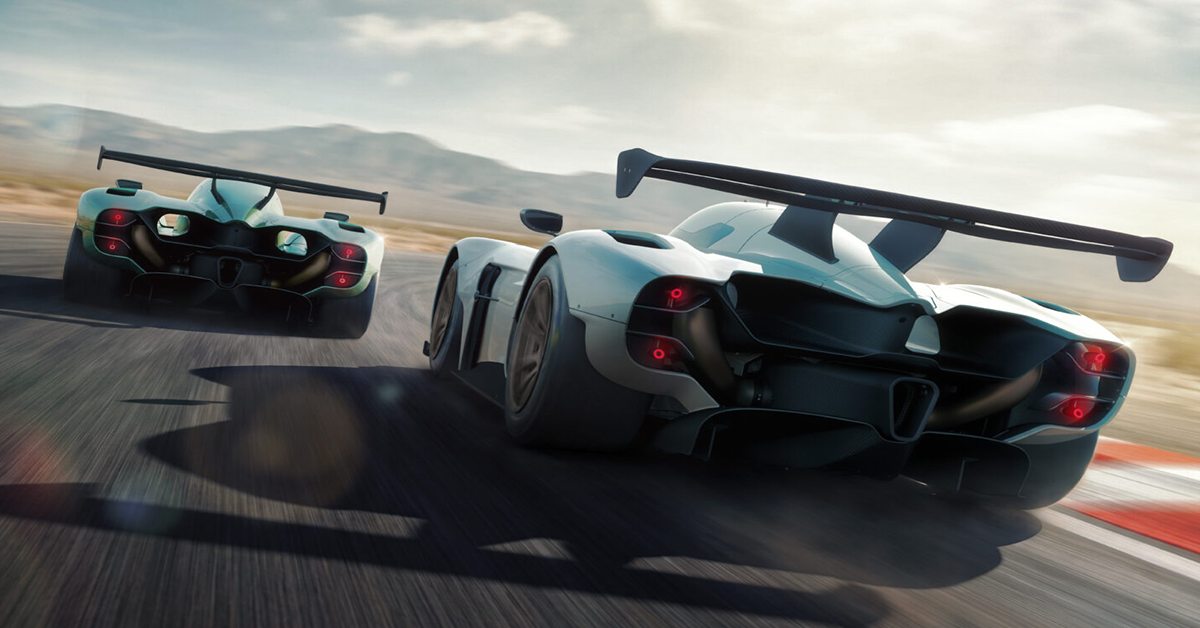
Official press image of the McMurtry Spéirling Pure in final production form. | © McMurtry Automotive
McMurtry has just revealed the Spéirling Pure in its final production form — and every number is confirmed, no hedging required. 1,000 bhp. 1.55 seconds to 60mph. 2,000kg of downforce from a standstill. 3G in corners, 3G under braking. 190mph flat out. A 100kWh battery with a longer 2.2-metre wheelbase, hydraulic power steering, a swan-neck rear wing, bigger tyres, and storage for your race gear. This is the banned Formula 1 technology, reborn as something 100 people will actually own.
McMurtry Automotive has officially unveiled the Spéirling Pure in its final, customer-ready production form. Every performance figure is now locked — no estimates, no "subject to validation" caveats. The car produces 1,000 bhp sent entirely to the rear wheels, accelerates from 0 to 60mph in 1.55 seconds, generates 2,000 kilograms (4,400 lbs) of downforce from a standstill via its twin underfloor fans, reaches a top speed of 190mph (305km/h), and sustains cornering and braking forces of 3G in both directions. These are not projections. They are the published production specifications of a car that will begin reaching customers later this year.
The production car shares just 5 percent of its components with the prototypes that set all those lap records. McMurtry rebuilt 95 percent of the vehicle from the ground up for customer ownership — addressing everything from cooling to usability to the practical realities of a private owner running the car at a track day without a factory support crew standing by. The result, in McMurtry's own framing, is a car that delivers "truly accessible Formula 1-level performance that any driver can enjoy."
The production Spéirling Pure is a substantially different machine from the prototype that beat the Renault R24 Formula 1 car around the Top Gear Test Track. The changes are not cosmetic refinements — they are fundamental engineering decisions made specifically to turn a record-chasing one-off into something a private buyer can extract value from, week after week.
The wheelbase has grown from 2 metres to 2.2 metres — a meaningful increase in a car this size, improving stability at high speed and giving drivers more confidence at the limit. Hydraulic power steering replaces the direct-feel system of earlier prototypes, a change that reduces steering effort significantly and makes the car accessible to a wider range of drivers without experience in single-seater racing machinery. The battery has grown to a confirmed 100kWh, supporting up to 20–25 minutes of full GT3-pace track driving per charge. A 350kW fast charger can replenish it in approximately 25 minutes.
The exterior has been completely redesigned for production — new bodywork with a swan-neck rear wing replacing earlier prototype aerodynamic solutions, wider Michelin slick tyres approximately 10 percent broader than those on the record-setting prototypes, and a revised cooling system with a single front-mounted radiator replacing the twin-rear-mounted units used previously, saving meaningful weight. Inside, the cabin now includes dedicated storage for race gear — helmets, gloves, and driving suit — a deliberately practical addition that signals McMurtry's intent for this car to be used rather than collected.
| Power Output | 1,000 bhp (confirmed) |
| 0–60mph | 1.55 seconds (confirmed) |
| Top Speed | 190 mph / 305 km/h (confirmed) |
| Cornering Force | 3G (confirmed) |
| Braking Force | 3G (confirmed) |
| Active Downforce | 2,000 kg (4,400 lbs) — from 0mph standstill |
| Battery Capacity | 100 kWh (confirmed — larger than prototypes) |
| Track Endurance | 20–25 minutes at GT3 pace per charge |
| Fast Charging | 350 kW — full charge in ~25 minutes |
| Wheelbase | 2.2 metres (up from 2.0m on prototypes) |
| Steering | Hydraulic power steering (new for production) |
| Rear Wing | Swan-neck design (new for production) |
| Tyres | Michelin slicks — ~10% wider than prototype |
| Cooling | Single front radiator (replaces twin rear units — 20% lighter) |
| New Components vs Prototypes | 95% |
| Driver Height Limit | Up to 195 cm (6 ft 5 in) |
| Storage | Race gear storage — helmet, gloves, suit |
| Road Legal | No — track only |
| Racing Eligibility | Confirmed for various US and European series |
| Factory Race Support | Optional |
| Price | £995,000 (approx. $1.36 million) excl. taxes/options |
| Production Limit | 100 units total |
| Deposits Confirmed (March 2026) | 24 — approx. half from US buyers |
| First Deliveries | Later in 2026 |
| Built | Wotton-under-Edge, Gloucestershire, UK |
We didn't set out to build the fastest track car. We set out to build the most extraordinary driving experience — one that any driver can access, not just professional racers.
— McMurtry Automotive, official reveal statement, July 2026The Spéirling's claim to be accessible to non-professional drivers is backed by independently verified evidence, not just marketing language. During a tour of Denmark in June 2026, a private McMurtry customer — not a works driver — set the outright lap record at Jyllandsringen circuit, beating the previous record held by a professionally driven Formula 4 car by more than two seconds. At Padborg Park on the same tour, another back-to-back outright lap record fell. These are real results from a real private owner, at circuits with real competition history, against cars with real professional drivers behind the wheel.
The prototype's wider record sheet is equally serious. The Goodwood Festival of Speed hillclimb record fell in 2022, beaten by McMurtry's own test driver. The Top Gear Test Track record, held by the V10-powered Renault R24 Formula 1 car since 2004, fell in April 2025 by 3.1 seconds. Laguna Seca's Corkscrew section record also fell to a McMurtry. The production car arrives carrying every one of those records as context — and with confirmed performance figures that suggest the car which breaks lap records is, for the first time, the same car private buyers will pick up from the factory.
At £995,000 before taxes, shipping and options, the Spéirling Pure is not a mainstream purchase. Of the 24 confirmed deposits McMurtry had taken as of March 2026, roughly half came from customers in the United States — a genuinely significant market for a tiny British company producing two cars per month at its Gloucestershire facility. The car is track-only in its current form. McMurtry is separately developing a road-legal version, but co-founder Thomas Yates has been candid about the central challenge: it is not the engineering, it is convincing regulators to accept moveable aerodynamic devices on public roads, something motorsport governing bodies banned nearly five decades ago. No timeline has been given for when that road car might arrive.
The Spéirling Pure's confirmed production reveal is one of the more genuinely remarkable moments in recent automotive history — not because of any single number, but because of what the whole package represents. A tiny British firm founded less than a decade ago has taken a concept that Formula 1 banned in 1978, rebuilt it from scratch using modern electric technology, and put it into the hands of 100 private buyers who don't need professional racing licences to get the most out of it. The 95 percent new component count, the hydraulic steering, the swan-neck wing, the storage space for race gear — these are the details of a company that actually thought through what private ownership of an active fan car requires, rather than just chasing a headline lap time. At £995,000, this is not a car most people will ever sit in. But its existence makes the automotive world more interesting for everyone.