 Brands
Toyota C-HR — From Odd-Looking Hybrid to Genuine Electric SUV
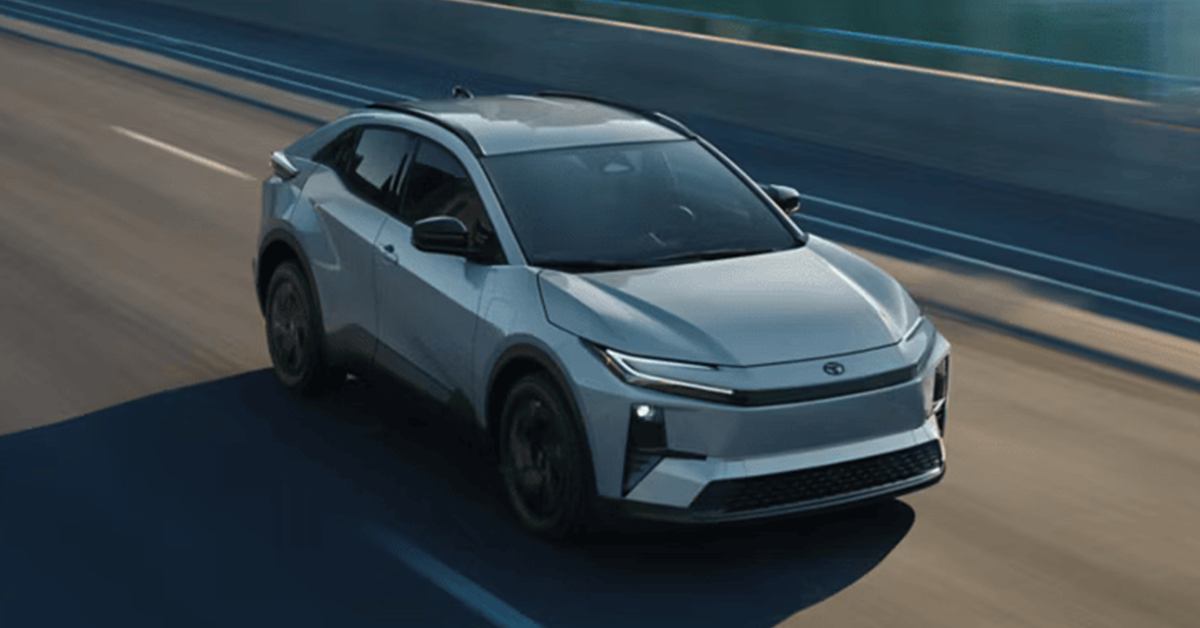
Official press image of the Toyota C-HR. | © Toyota Motor Corporation
Few Toyota nameplates have had their identity so completely rewritten between generations as the C-HR. It launched in 2016 as a genuinely polarising, aggressively styled hybrid crossover coupe — distinctive, occasionally criticised for cramped visibility and a sluggish engine, but never boring. In its current American form, the C-HR is something else entirely: a full battery electric vehicle with 338 horsepower, standard all-wheel drive, and a 0–60mph time that would have embarrassed most sports cars from the era the original C-HR launched in.
The name C-HR stands for Coupe High Rider — a genuinely accurate description of what Toyota built when the model launched internationally in 2016, reaching US showrooms for the 2018 model year. The original C-HR combined a sloping, coupe-like roofline with the elevated ride height of a compact crossover, wrapped in styling aimed deliberately at younger buyers who found Toyota’s more conservative SUVs uninspiring. The design succeeded at turning heads. The driving experience was more mixed: the original four-cylinder engine took over 11 seconds to reach 60mph, cabin noise was a frequent criticism, and rear visibility suffered from the aggressive, high-set beltline that made the coupe styling work in the first place.
Toyota refreshed the first generation in late 2020, adding a more powerful engine option and updated interior equipment — a launch genuinely delayed by the COVID-19 pandemic’s disruption to global production and logistics. Powertrain options through this generation included a 1.8-litre hybrid producing 138 horsepower with all-wheel drive available, alongside a front-wheel-drive-only plug-in hybrid variant producing up to 220 horsepower.
Toyota launched the second-generation C-HR in the summer of 2023, and the approach this time was explicit: fix the specific complaints that had followed the original since launch. Toyota adopted its newer “Hammerhead” front styling language, sharpened the body lines, and retained the coupe-like roofline that had defined the nameplate’s visual identity — while genuinely improving cabin refinement and outward visibility. Powertrain choices expanded to include a familiar 1.8-litre hybrid alongside a new 2.0-litre Hybrid Dynamic Force system producing 181 horsepower, offering meaningfully improved performance and thermal efficiency over the outgoing unit. European markets received a dedicated plug-in hybrid variant as well, alongside a performance-styled GR Sport trim carrying Toyota Gazoo Racing design cues, 20-inch wheels and JBL audio.
In 2025, Toyota introduced the C-HR+, the nameplate’s first genuine battery electric variant, sharing its front fascia and overall design with the hybrid version it launched alongside. Toyota kept production costs down by carrying over most components from the hybrid stablemate, while offering the electric version with either a single or dual-motor configuration. This variant served as the direct proving ground for the fully reinvented electric C-HR that would follow specifically for the American market.
For the United States, Toyota went considerably further than simply adding an electric option — it replaced the C-HR entirely with a dedicated battery electric vehicle, confirmed through Toyota’s own official USA Newsroom. Developed from a compact BEV concept Toyota first presented in 2022, the 2026 Toyota C-HR BEV is built on Toyota’s dedicated e-TNGA platform — the same underlying architecture used by the Toyota bZ and bZ Woodland — positioning it as a smaller, sportier electric alternative sitting alongside Toyota’s broader BEV lineup. It represents the company’s third BEV model available in the US market, and one of 21 electrified models across Toyota’s current American lineup, spanning BEV, hybrid, plug-in hybrid and fuel-cell powertrains.
The numbers are genuinely striking for a compact crossover. Standard dual-motor all-wheel drive delivers 338 horsepower net combined system output and 323 lb-ft of torque, reaching 0–60mph in a manufacturer-estimated 4.9 seconds — roughly half a second slower than the mechanically related bZ Woodland, but genuinely quick for the segment regardless. A 74.7 kWh battery delivers up to 287 miles of EPA-estimated range on the SE grade, with DC fast-charging capable of a 10 to 80 percent charge in approximately 30 minutes, accessed through a standard NACS charging port for direct Tesla Supercharger compatibility. Cargo space totals up to 25.3 cubic feet behind the rear seats, expanding to 59.5 cubic feet with the 60/40 split-folding rear seatbacks folded flat.
Crucially, this US shift does not mean the traditional hybrid C-HR has disappeared globally — Toyota continues selling a separate hybrid and plug-in hybrid C-HR in Europe and other international markets, priced from approximately £31,290 in the UK across Icon, Design, Excel and GR Sport grades. The nameplate has, in effect, split into two genuinely different vehicles depending on which market you’re shopping in.
The American C-HR BEV comes in just two trims: SE, starting at approximately $37,000 to $38,450 including destination charge, and XSE, starting at approximately $40,450. Every configuration carries the same 74.7 kWh battery and standard all-wheel drive, with a 14-inch touchscreen, soft-touch premium interior materials and customisable ambient lighting standard across both trims. Toyota expected US deliveries to begin at dealerships in March 2026.