 Brands
One Toyota Sports Car Still Alive, Four That Defined an Era
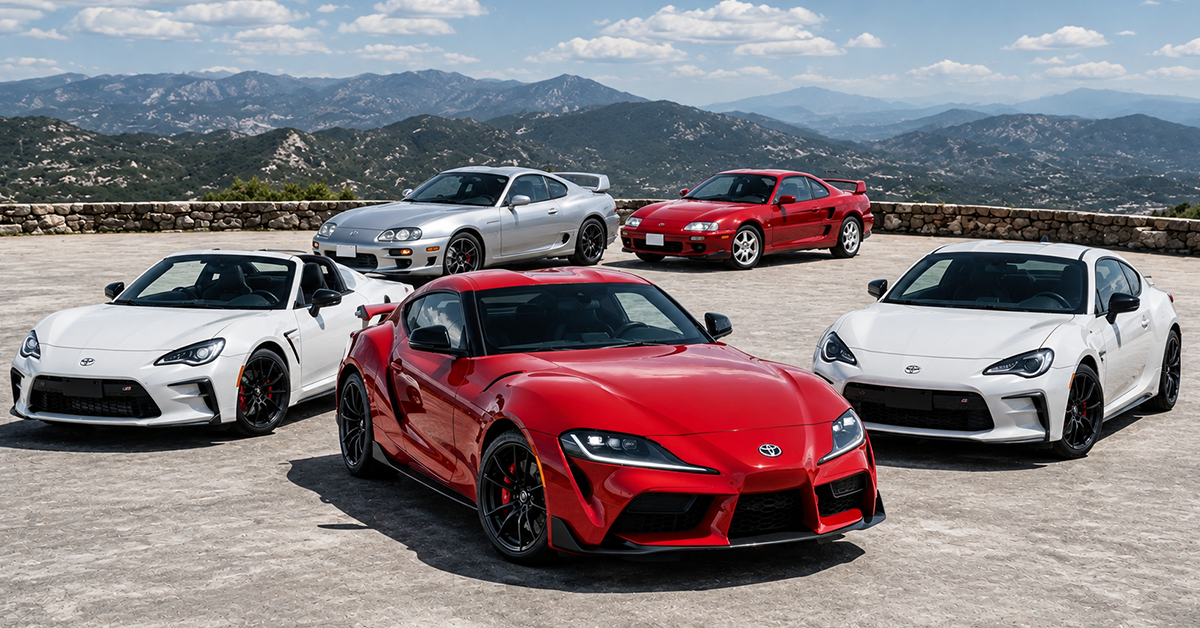
AI-generated concept illustration — Toyota's sports car history. | Rev N Rise
Toyota's sports car story is genuinely one of near-death and revival. The mid-2000s nearly wiped the category out entirely, and Toyota only kept it alive by partnering with two direct rivals — Subaru and BMW — to share the enormous engineering cost. Here's every genuine Toyota sports car, from the racer that almost won Le Mans to the two models still on sale today.
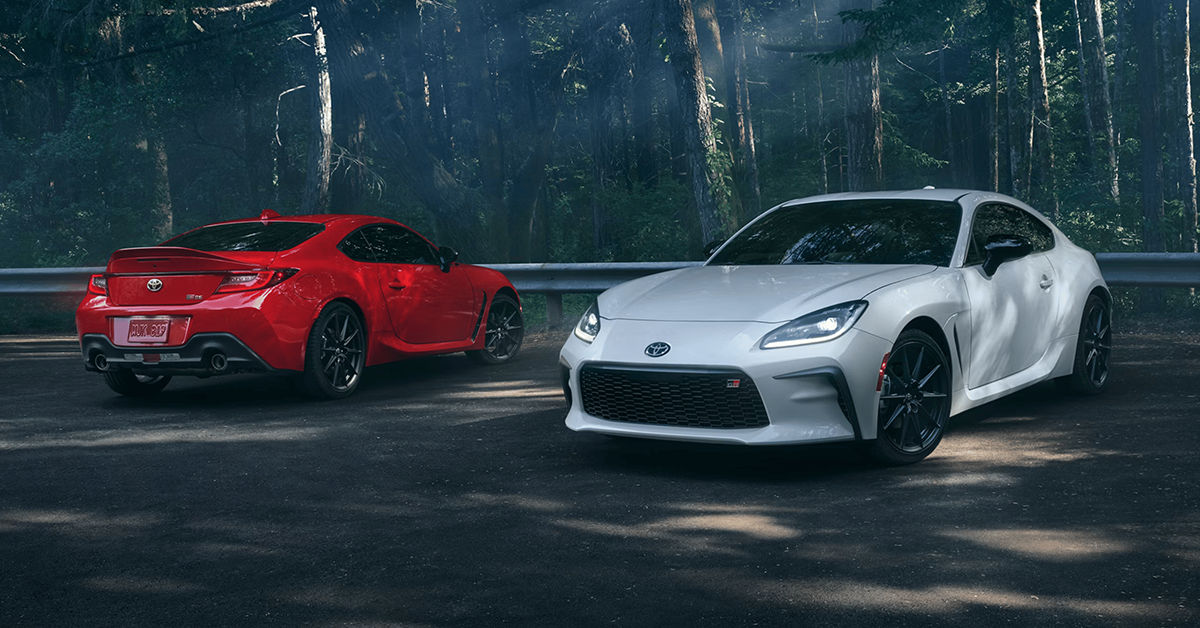
Official press image of the Toyota GR86. | © Toyota Motor Corporation
Toyota's lightweight, rear-wheel-drive coupe, developed jointly with Subaru and sharing its mechanical underpinnings almost entirely with the Subaru BRZ — a genuine continuation of the decades-long collaborative relationship between the two Japanese manufacturers. Produced with a Subaru-sourced 228-horsepower boxer engine, the GR86 starts at $30,800, undercutting the BRZ by roughly $5,060 while sharing essentially identical driving dynamics, prioritising outright handling balance and driver feedback over straight-line speed or outright power figures.
The nameplate traces its origins to the original Scion FR-S, rebadged as the Toyota 86 once Toyota discontinued the Scion brand entirely, before eventually adopting the GR designation to align with Toyota's broader Gazoo Racing performance sub-brand. A genuinely limited-run Yuzu Edition, restricted to 860 units, has become a genuine collector's item among enthusiasts specifically drawn to the car's deliberately old-school, analogue driving character in an era increasingly dominated by heavier, more electronically assisted performance cars.
Reviewers have consistently praised the GR86 as one of the purest, most genuinely rewarding driver's cars still sold new at anywhere near its price point, with the naturally aspirated boxer engine's power delivery rewarding smooth, deliberate inputs rather than simply chasing outright acceleration numbers. Toyota's continued investment in the GR86, even as SUVs and crossovers dominate the broader market, reflects genuine internal commitment to keeping at least one affordable, driver-focused sports car in the American lineup.
The Subaru partnership behind the GR86 traces back decades, extending the same collaborative relationship that produced earlier joint projects between the two Japanese manufacturers. Building both the GR86 and BRZ on shared underpinnings allows Toyota and Subaru to split the enormous engineering and tooling costs a genuinely bespoke sports car platform would otherwise require, a genuinely pragmatic approach that has kept both cars affordable in a market segment that has grown considerably smaller and less commercially viable to develop independently over the past two decades.
Standard equipment includes a genuinely comprehensive Toyota Safety Sense suite despite the car's compact, performance-focused footprint, and trim levels span Base, Premium and Trueno Edition, with the top trim adding genuine styling and equipment upgrades without touching the shared powertrain every configuration uses. Toyota has continued making meaningful running changes across the GR86's production run, including suspension refinements and infotainment updates, reflecting ongoing investment in a genuinely low-volume model that nonetheless carries real symbolic importance for the brand's enthusiast credibility.
Independent reliability data for the GR86 tracks closely with Toyota's broader reputation for durability, giving enthusiast buyers genuine confidence that a car built primarily for spirited driving won't sacrifice the long-term dependability the brand is known for more generally. Resale value has also held up considerably well, reflecting sustained demand from a genuinely dedicated buyer base that continues seeking out affordable, naturally aspirated rear-wheel-drive coupes even as the broader market has moved decisively toward turbocharging and all-wheel drive across nearly every other performance segment. Toyota's continued investment signals genuine confidence the platform still has meaningful commercial life left.
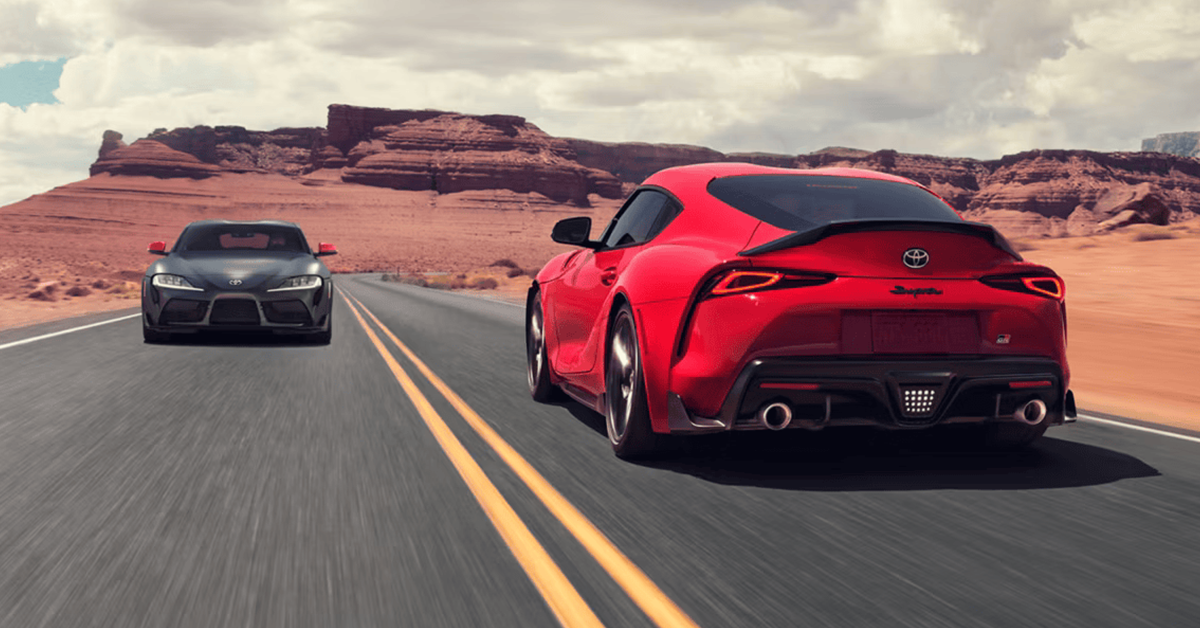
Official press image of the Toyota GR Supra. | © Toyota Motor Corporation
Toyota's turbocharged flagship sports car, co-developed with BMW and sharing its underlying platform, chassis architecture and several engine options with the BMW Z4 — a genuinely significant partnership between two companies that, in most other segments, compete directly against each other. Despite the shared engineering foundation, Toyota's own design language, suspension tuning and overall driving character remain genuinely distinct from the BMW roadster, reflecting deliberate engineering choices Toyota made specifically to preserve the Supra nameplate's own identity rather than simply badge-engineering a BMW product.
The Supra name carries genuine weight within Toyota's performance history, with earlier generations achieving considerable enthusiast reverence, particularly the fourth-generation Mk4 built through the 1990s, whose twin-turbocharged 2JZ engine has become genuinely legendary within tuning and motorsport communities for its ability to handle vastly increased power well beyond factory specifications. The current fifth-generation Supra's revival, after a considerable production gap, represented a genuine gamble that Toyota's enthusiast base still cared enough about the nameplate to justify the cost of reviving it through a shared-platform partnership rather than developing an entirely bespoke replacement independently.
Reviewer reception has grown considerably more positive across the current generation's production run, with Toyota making meaningful running changes including the addition of a manual transmission option that wasn't available at launch, directly responding to enthusiast feedback that the automatic-only original launch configuration undersold the car's genuine driving credentials. The Supra's turbocharged inline-six engine, sourced from BMW, delivers genuinely strong performance figures that position it firmly above the GR86 in both price and outright capability.
Trim levels for the current Supra span 2.0, 3.0 and 3.0 Premium configurations, with the entry-level four-cylinder version offering a genuinely more affordable path into Supra ownership while the inline-six models deliver the outright performance most enthusiasts specifically associate with the nameplate's history. Toyota has also introduced genuinely limited special editions throughout the current generation's production run, including anniversary models celebrating the nameplate's decades-long history, each commanding real collector interest given the Supra's uniquely strong enthusiast following built up across five separate generations.
The BMW partnership has occasionally drawn criticism from purists who view a genuinely shared platform as diluting the Supra's status as an authentically Toyota-engineered sports car, though the commercial logic behind the arrangement remains genuinely sound: without BMW's shared development costs, reviving the Supra nameplate at all may not have been financially viable given how dramatically sports car sales volumes have declined industry-wide since the nameplate's fourth-generation heyday in the 1990s.
Toyota Safety Sense comes standard across every Supra trim, and the car's interior, while genuinely sharing meaningful architecture with the BMW Z4, carries distinct Toyota styling cues and infotainment software that give the cabin experience a genuinely different character from its German platform-mate. Owner satisfaction surveys have grown increasingly positive as Toyota addressed early criticisms through running production changes, suggesting the company genuinely listened to enthusiast feedback rather than treating the Supra's revival as a one-time product launch.
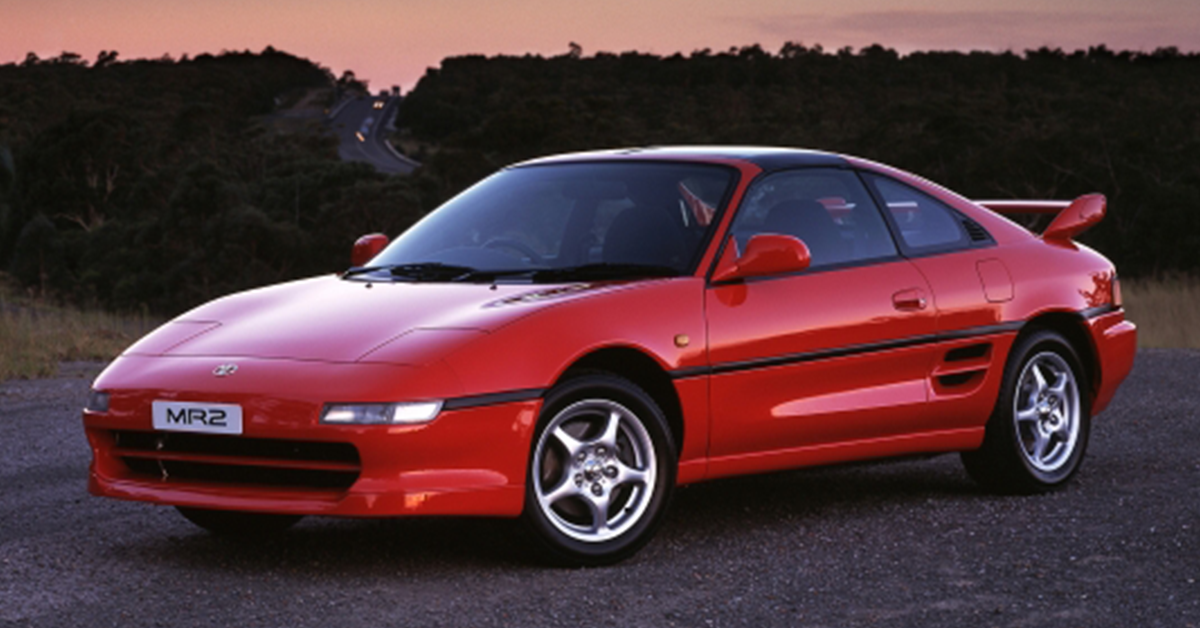
Official press image of the Toyota MR2. | © Toyota Motor Corporation
Toyota's mid-engine sports car, produced across three genuinely distinct generations between 1984 and 2007, with approximately 295,000 units built in total. The original AW11 generation used Lotus-tuned suspension developed with direct input from the British sports car manufacturer, while the considerably more powerful second-generation SW20 earned a reputation as a genuine “baby Ferrari” thanks to its mid-engine layout and sharp handling, though it also developed a notorious reputation for snap oversteer at the limit that caught out less experienced drivers.
The final, third-generation W30 shifted toward a lighter, more accessible roadster format, producing a more modest 138 horsepower but prioritising genuine driving purity over outright power. Toyota ended US sales in 2005, with production continuing briefly in Japan and Europe until July 2007 before the nameplate was discontinued entirely, a casualty of declining sports car demand across the broader industry during the mid-2000s.
The MR2's cult following has, if anything, grown considerably since discontinuation, with clean examples of every generation commanding genuine premiums among enthusiasts specifically drawn to the mid-engine layout's genuinely rare handling characteristics at this price point. Toyota has never officially confirmed plans to revive the nameplate, though persistent enthusiast speculation continues regarding whether a future electrified sports car might eventually carry the MR2 name forward given the genuine packaging advantages a centrally mounted battery could offer for a modern mid-engine layout.
Across its three generations, the MR2 consistently positioned itself as Toyota's genuine answer to more expensive European mid-engine sports cars, offering broadly comparable handling characteristics at a considerably more accessible price point. The AW11's Lotus-tuned suspension specifically reflected Toyota's deliberate strategy of partnering with established European performance engineering expertise to achieve genuine handling credibility the company's own domestic engineering talent hadn't yet fully developed independently at that point in its history.
Parts availability for older MR2 generations has grown genuinely more challenging as the model ages, though a dedicated specialist aftermarket has emerged specifically to keep surviving examples running, reflecting the nameplate's unusually devoted ownership community relative to its comparatively modest total production numbers. Auction results for exceptional, low-mileage examples of all three generations have trended consistently upward in recent years, a genuine reflection of growing collector interest in Japanese performance cars from this specific era more broadly.
The SW20 generation specifically has attracted renewed attention from a younger generation of enthusiasts discovering Japanese sports cars through motorsport video games and online communities, driving genuine demand for well-preserved examples considerably beyond what the model's original commercial reception might have predicted. This delayed appreciation pattern mirrors similar trends across several other Japanese performance cars from the same broad era, reflecting a genuine generational shift in which enthusiasts increasingly value mechanical purity and driving feedback over outright specification-sheet performance figures. Specialist restoration shops now exist specifically catering to this renewed MR2 demand, with genuine waitlists forming for the most sought-after low-mileage examples of every generation.
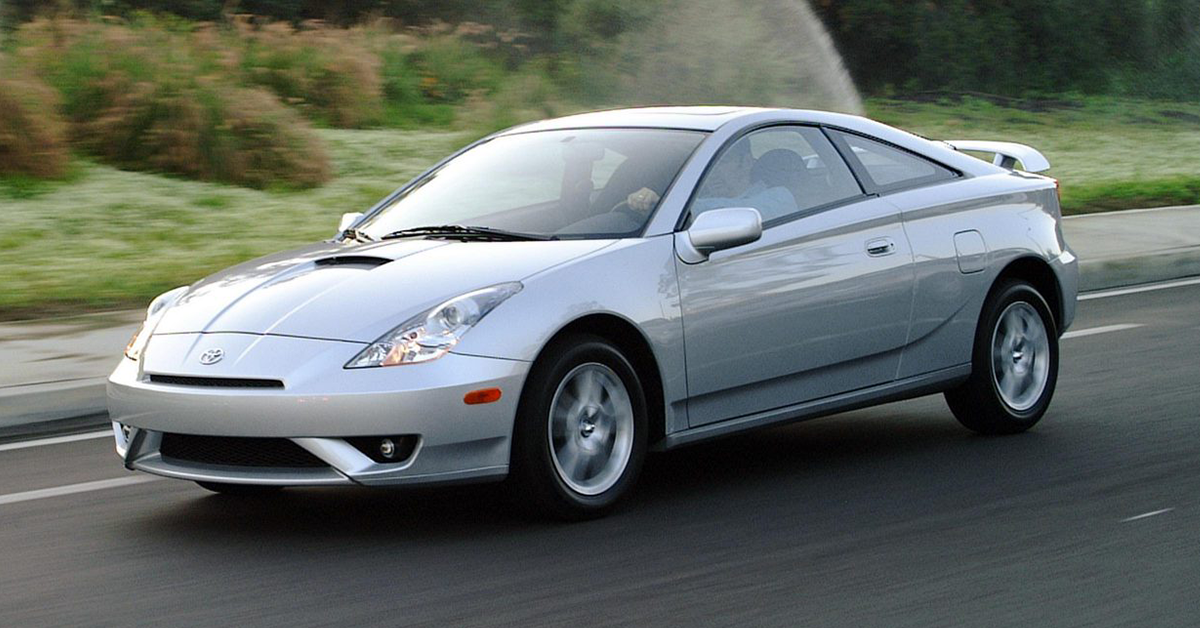
Official press image of the Toyota Celica. | © Toyota Motor Corporation
Toyota's longest-running dedicated sports coupe, spanning seven generations from 1970 to 2006 with over 4.1 million units sold worldwide. The genuinely significant GT-Four variant remains the only World Rally Championship homologation car Toyota ever officially sold to the public, giving ordinary buyers direct access to genuine rally-derived all-wheel-drive engineering in a road-going package. American marketing famously featured Eddie Murphy during the nameplate's peak popularity, while the later GT-S trim used a Yamaha-developed 2ZZ-GE engine, genuinely notable for its high-revving character shared with the Lotus Elise of the same era.
The Celica's discontinuation in 2006 reflected the same broader industry-wide decline in dedicated sports coupe demand that also claimed the MR2 around the same period, with Toyota redirecting resources toward the crossover and SUV segments that were rapidly capturing the buyer interest sports coupes had traditionally held. Toyota has, at various points, filed trademark applications suggesting potential interest in reviving the Celica name under the GR performance sub-brand, though no concrete product has yet materialised from that speculation.
Among Toyota's discontinued sports cars, the Celica arguably retains the broadest, most genuinely diverse enthusiast community, spanning owners of everything from basic naturally aspirated early generations through the genuinely potent GT-Four rally homologation specials, reflecting just how many genuinely different driving experiences the nameplate offered across its 36-year production run.
The Celica's seven generations span a genuinely remarkable range of engineering approaches, from the original 1970 rear-wheel-drive coupe through later front-wheel-drive generations, reflecting how dramatically Toyota's broader engineering philosophy evolved across more than three decades of continuous production. The GT-Four's rally homologation status specifically required Toyota to build a genuine minimum production run of road-going examples to satisfy competition regulations, meaning ordinary buyers gained direct access to technology developed purely for professional rally competition, a genuinely rare arrangement even by the standards of 1980s and 1990s performance car marketing.
Toyota's continued trademark filings around the Celica name, without any confirmed product materialising, illustrate a genuinely common pattern across the broader automotive industry: manufacturers routinely protect historically significant nameplates against third-party use even without firm plans to revive them, preserving genuine optionality should market conditions or company strategy eventually favour bringing a beloved discontinued model back into active production.
Among the seven generations, the mid-1990s ST205 GT-Four specifically carries genuine motorsport controversy within its history — Toyota was disqualified from the 1995 World Rally Championship season after officials discovered an illegal turbocharger restrictor bypass device, a genuine scandal that resulted in a one-year competition ban and remains a frequently discussed chapter among rally historians specifically studying the sport's more controversial technical regulation disputes, a genuine reminder of how fiercely contested top-level rallying became during this specific competitive era, and how far manufacturers were willing to push technical regulations in pursuit of championship success during that particularly competitive stretch of the sport's history. Despite the scandal, the ST205 remains genuinely well-regarded among enthusiasts today, its road-going rally pedigree considered more significant than the disqualification that briefly overshadowed it.
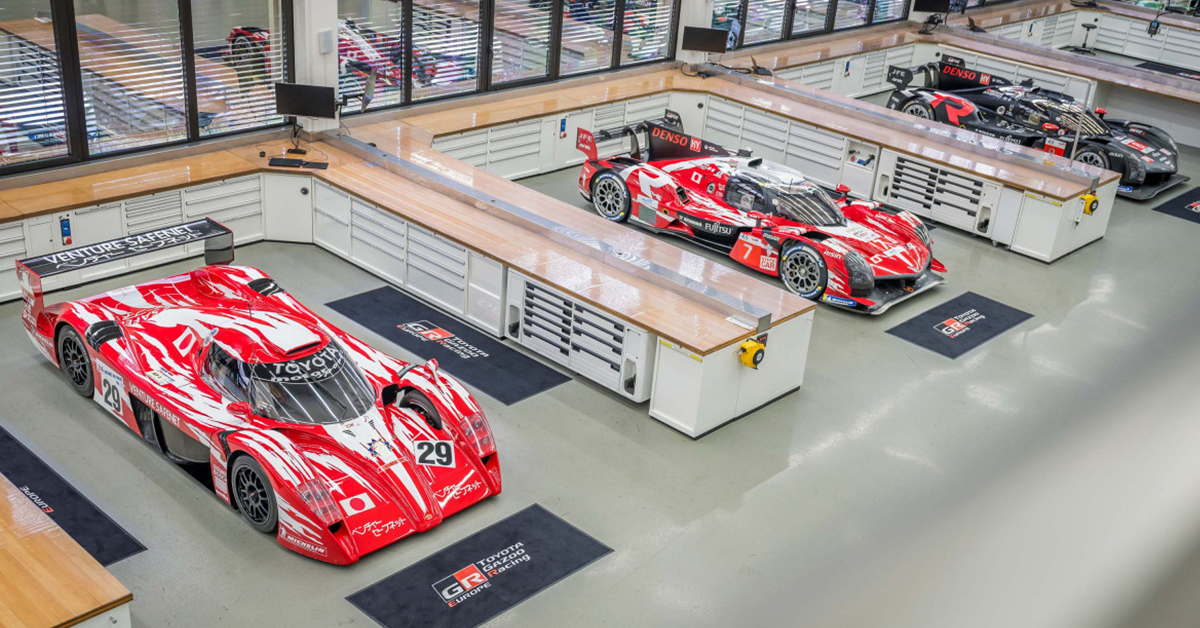
Official press image of the Toyota GT-One. | © 24 Hours of Le Mans / Automobile Club de l'Ouest
Genuinely a race car disguised as a road car, built specifically to exploit a loophole in Le Mans homologation rules requiring manufacturers to build a road-legal version of their competition machinery. Toyota built just one or two genuine road-going examples, powered by a detuned version of the racer's twin-turbocharged 3.6-litre V8, producing a still-substantial 550 horsepower compared with the full competition car's 600 to 651 horsepower. The GT-One was never genuinely offered for public sale, existing purely to satisfy the letter of Le Mans regulations rather than as any real commercial product.
Designed by André de Cortanze, previously responsible for Peugeot's own successful Le Mans programme, and built in partnership with Italian constructor Dallara, the GT-One competed at Le Mans in both 1998 and 1999, with its best finish coming second overall in 1999 — agonisingly close to becoming Toyota's first Le Mans victory, a milestone the company wouldn't achieve until considerably later with its hybrid hypercar programme. The GT-One's near-miss result remains genuinely significant within Toyota's broader motorsport history, illustrating just how close the company came to Le Mans glory decades before eventually achieving it.
For collectors and motorsport historians, the GT-One represents one of the purest examples anywhere in automotive history of a manufacturer building a road car purely as a technicality rather than a genuine commercial product, making the one or two surviving road-legal examples among the rarest, most genuinely significant vehicles Toyota has ever produced under any nameplate.
The GT-One's competition history extended beyond its two Le Mans appearances, with the programme also contesting other major endurance events during its active years, building genuine technical knowledge Toyota would later draw upon across subsequent motorsport programmes. The car's twin-turbocharged V8, producing genuinely exceptional output for its era, represented cutting-edge endurance racing technology at the time, incorporating lessons learned from Toyota's broader involvement in international motorsport throughout the 1990s.
Toyota's eventual Le Mans overall victory, achieved considerably later through its hybrid hypercar programme, retrospectively cast the GT-One's narrow 1999 defeat in a genuinely poignant light — a reminder of just how close the company came to achieving its ultimate motorsport goal decades before circumstances, technology and continued investment finally delivered it. For Toyota historians specifically, the GT-One remains a genuine touchstone moment, illustrating the company's willingness to pursue motorsport ambitions considerably more aggressively than its conservative mainstream road-car reputation might otherwise suggest.
Surviving GT-One chassis, whether road-legal or pure competition specification, occasionally appear at prestigious historic motorsport events and specialist auctions, drawing genuine crowds specifically curious to see a car built under such an unusual set of circumstances up close. Their rarity and genuine motorsport significance place any surviving example among the most valuable Toyota-badged vehicles in existence, considerably exceeding even the most desirable road-going Supra or Celica variants in collector value, cementing its status as a genuine crown jewel within Toyota's broader motorsport heritage collection.