 Brands
Toyota Still Builds 8 Sedans — Including One You'll Never Be Allowed to Buy
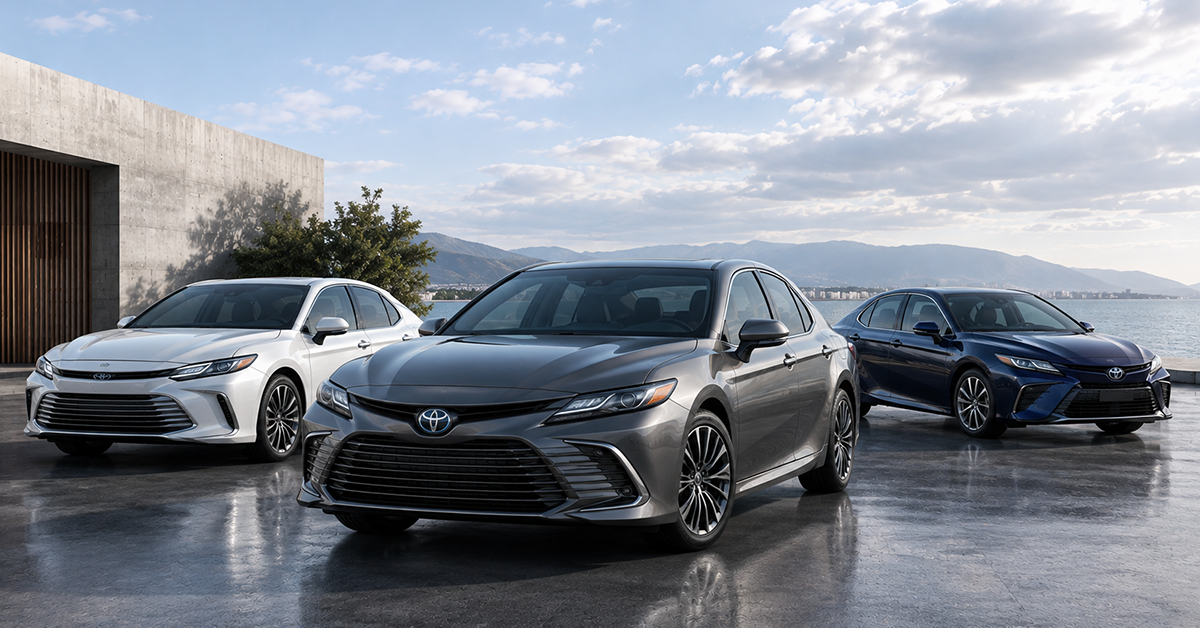
AI-generated concept illustration — Toyota's full sedan lineup. | Rev N Rise
While SUVs dominate the sales charts, Toyota's sedan lineup still spans some genuinely interesting ground — from the compact, budget-friendly Corolla through the hybrid-only Camry, the deliberately unconventional Crown, the world's first mass-produced hydrogen car, and a Japan-only flagship most Americans will never see in person. Here's the full range, model by model.
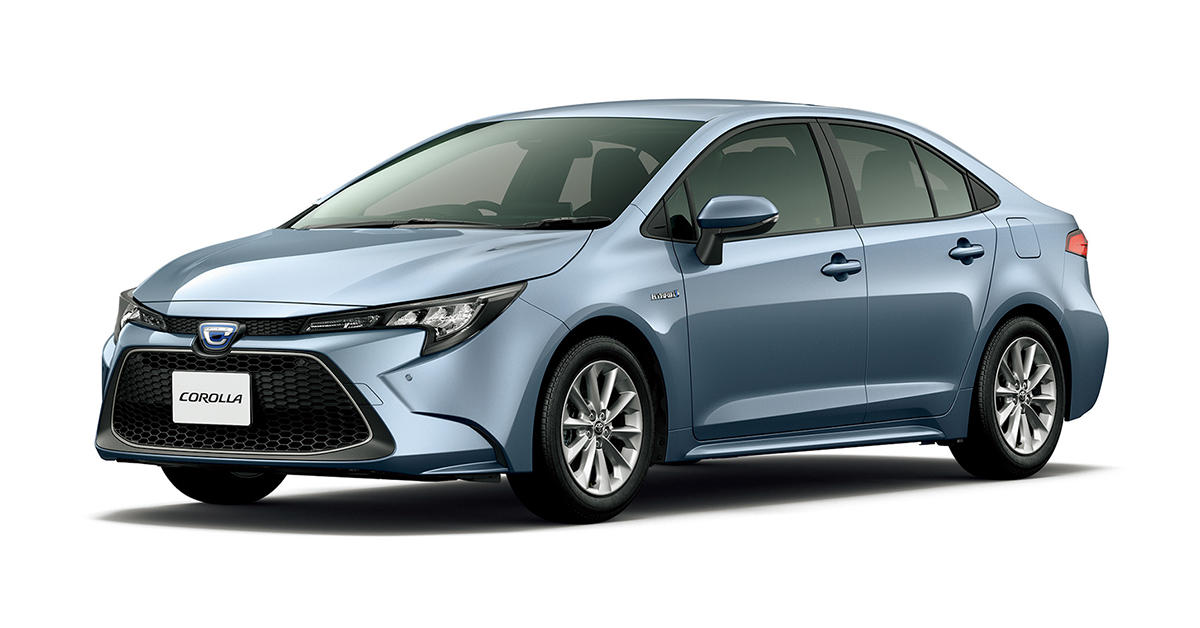
Official press image of the Toyota Corolla. | © Toyota Motor Corporation
Toyota's cheapest and best-selling sedan globally, with the gasoline version starting well under $23,000 and the Corolla Hybrid from approximately $24,975, returning up to 50 mpg combined. The Corolla nameplate has been in continuous production since 1966 and remains, by most counts, the best-selling car nameplate in automotive history, with well over 50 million units sold worldwide across twelve generations — a genuinely staggering figure that places it comfortably ahead of nearly every other single nameplate any manufacturer has ever produced. Every trim comes with Toyota Safety Sense 3.0 standard, and the sedan sits alongside the Corolla Cross crossover and considerably more powerful GR Corolla hatchback under the same broader nameplate umbrella.
The Corolla's genuine staying power comes down to a combination Toyota has refined relentlessly across every generation: unglamorous but genuinely dependable mechanical simplicity, consistently strong resale value, and running costs that remain difficult for rivals to match once fuel economy, insurance and maintenance are all factored into a typical ownership period. The current, twelfth generation runs on Toyota's TNGA platform, bringing meaningfully sharper handling and a considerably more refined ride than earlier generations ever offered, while retaining the fundamental reliability reputation that has made the Corolla a default recommendation for budget-conscious first-time buyers for well over half a century. Trim levels span LE, SE and XLE on the gasoline model, with the hybrid offered across a similarly accessible range, and all-wheel drive available as an option for buyers in colder climates.
Reviewer reception has remained consistently positive across recent generations specifically because Toyota has resisted the temptation to chase segment-leading performance or luxury features at the expense of the fundamentals that made the Corolla successful in the first place. Against rivals including the Honda Civic and Hyundai Elantra, the Corolla generally trails slightly on outright driving engagement, but wins decisively on long-term reliability data and predicted depreciation, a genuinely significant factor for buyers planning to keep a car for a decade or more. Toyota Safety Sense's full suite comes standard even on the base LE trim, including pre-collision warning with pedestrian detection, lane departure alert and full-speed adaptive cruise control — genuinely comprehensive coverage for a car at this price point, and equipment several rivals still reserve for pricier configurations. The Corolla also serves as the direct entry point into Toyota's broader compact car family, giving buyers a genuinely seamless upgrade path toward the Corolla Cross or GR Corolla should their needs or budget change over time.
For fleet and rideshare buyers specifically, the Corolla Hybrid has become an increasingly popular choice precisely because of how the mathematics of high-mileage ownership work in its favour. A rideshare driver covering 30,000 to 40,000 miles annually will see the Corolla Hybrid's roughly 50 mpg rating translate into genuinely substantial fuel savings compared with a conventional gas Corolla, often recouping the hybrid's modest price premium within the first year or two of ownership alone. The car's genuinely compact exterior dimensions also make it a practical choice for urban drivers dealing with tight parking and narrow streets, an underrated advantage in dense city environments.
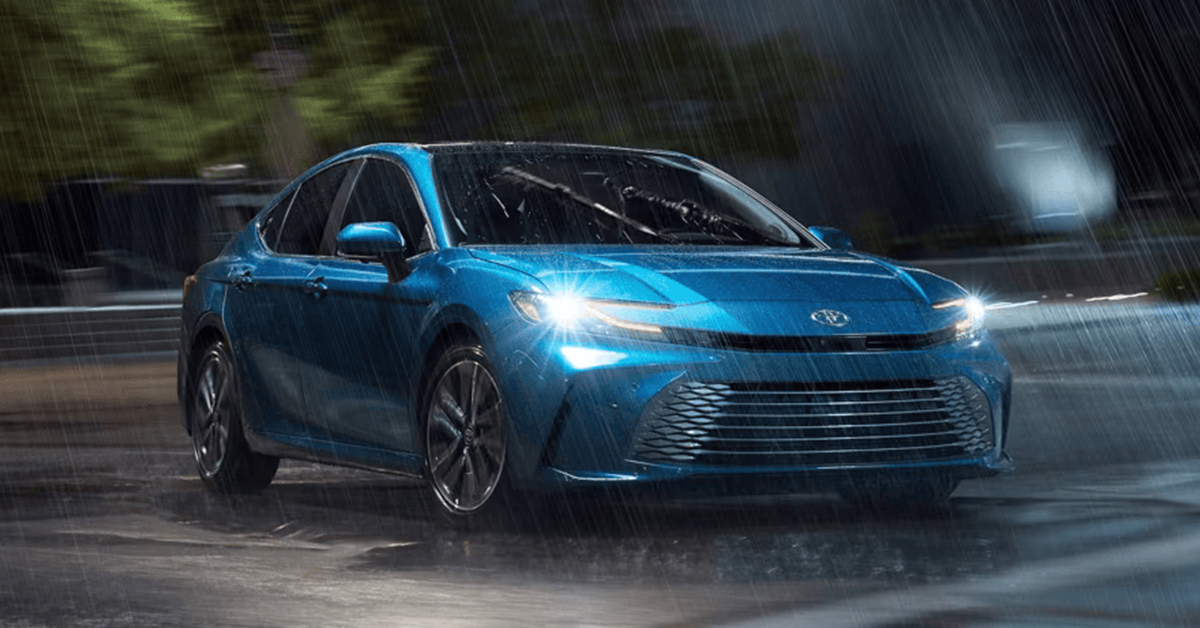
Official press image of the Toyota Camry. | © Toyota Motor Corporation
America's best-selling mainstream mid-size sedan, and hybrid-only since the 2025 model year — a genuinely significant shift for a nameplate long associated with rental fleets and rideshare drivers who historically prioritised purchase price over running costs. The 2026 Camry produces 225 horsepower on front-wheel drive or 232 on all-wheel drive, returning up to 51 mpg combined, with AWD models using a genuinely unusual third electric motor to power the rear axle directly rather than a conventional mechanical driveshaft. Five trims span LE through the sportier XSE, all sharing the same hybrid powertrain regardless of price point.
Toyota's decision to drop the conventional gas-only Camry entirely represented a genuinely significant moment for a segment that has traditionally moved cautiously on powertrain changes, given how many buyers use mid-size sedans specifically as fleet and rideshare vehicles where purchase price historically outweighed running costs in buying decisions. The bet has paid off: because every Camry now shares the same hybrid powertrain regardless of trim, Toyota simplified production considerably while ensuring every single Camry sold delivers genuinely best-in-class fuel economy for the segment, a meaningful differentiator against the Honda Accord and Hyundai Sonata, both of which still offer non-hybrid variants alongside their optional hybrid trims.
The Camry's continued dominance in the mid-size sedan segment, even as many rivals shift resources toward crossovers, reflects genuine ongoing demand from buyers who specifically prefer a sedan's lower centre of gravity, generally better handling and typically superior fuel economy compared with a similarly sized SUV. Independent crash testing has consistently rated the redesigned hybrid-only Camry among the safest vehicles in its class, with the Insurance Institute for Highway Safety awarding it Top Safety Pick+ status across multiple consecutive model years, reinforcing its position as the genuine default recommendation for mainstream sedan buyers across America. Toyota's dealer network has expanded hybrid-specific technician training considerably to support the Camry's hybrid-only transition, ensuring routine maintenance can be handled competently at nearly any Toyota service centre nationwide, a genuine practical advantage over rivals whose hybrid infrastructure remains less mature.
The Camry's hybrid-only transition also reflects a genuinely broader pattern across Toyota's American sedan lineup, mirroring the same approach the company has taken with the RAV4 and, increasingly, its entire mainstream product range: rather than offering hybrid power as a premium option layered onto a cheaper gas-only base model, Toyota has repeatedly chosen to make hybrid technology the sole standard offering once it reaches a certain level of maturity and cost-competitiveness, genuinely simplifying the buying decision for shoppers who no longer need to weigh whether the hybrid premium is worth paying.
The Camry's continued dominance in the mid-size sedan segment, even as many rivals shift resources toward crossovers, reflects genuine ongoing demand from buyers who specifically prefer a sedan's lower centre of gravity and generally better handling compared with a similarly sized SUV, proving the segment retains real commercial relevance despite years of predictions that sedans would eventually disappear from American showrooms entirely.
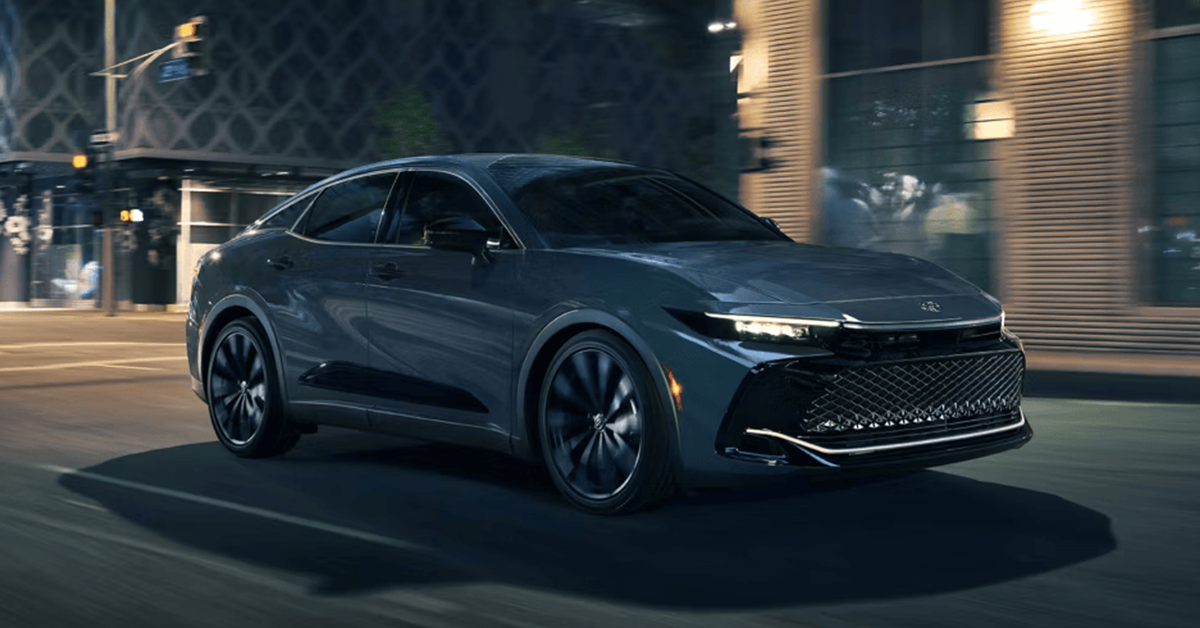
Official press image of the Toyota Crown. | © Toyota Motor Corporation
Toyota's premium hybrid sedan, effectively replacing the discontinued Avalon in the US lineup from 2023 with a considerably more distinctive, genuinely divisive design. Standard all-wheel drive and an elevated ride height position it somewhere between a conventional sedan and a crossover, and the range-topping Hybrid MAX Platinum trim produces 340 combined horsepower — more than any other sedan Toyota builds. The Crown name itself carries genuine international pedigree, having served as Toyota's flagship Japanese sedan since 1955, predating nearly every other Toyota nameplate still on sale today.
Rather than reviving the Crown as a direct, conservative Avalon replacement, Toyota deliberately positioned it as a genuinely different kind of sedan: the raised ride height and standard AWD give it real capability in poor weather that a traditional low-slung sedan simply can't match, while the available Hybrid MAX powertrain gives performance-minded buyers genuine reason to consider it over a comparably priced crossover. Trim levels span XLE, Limited and Platinum, with the Platinum exclusively carrying the Hybrid MAX powertrain and adding genuinely premium touches including semi-aniline leather upholstery and a panoramic glass roof.
The Crown also spawned a genuinely distinct sibling model in 2024: the Crown Signia, a crossover-styled variant sharing the Crown's underlying platform and hybrid powertrains but wrapped in a considerably more conventional SUV body, aimed at buyers who wanted the Crown's premium positioning and standard AWD without the sedan's more unconventional proportions. Between the standard Crown sedan and the Crown Signia, Toyota has effectively created a genuinely flexible premium hybrid sub-brand within its broader lineup, occupying territory that sits comfortably below Lexus pricing while still offering meaningfully more distinctive styling than a conventional Camry-tier sedan ever provided.
Reviewers have generally praised the Crown's ride quality and refinement specifically, noting that the standard AWD system and elevated ride height deliver genuine real-world confidence in poor weather that few direct sedan competitors can match without stepping up to a considerably pricier luxury badge. Standard equipment even on the base XLE trim includes a 12.3-inch touchscreen, wireless smartphone charging and a full Toyota Safety Sense suite, positioning the Crown as genuinely well-equipped from its lowest entry point rather than reserving meaningful technology purely for top trims.
Toyota has confirmed the Crown will continue receiving annual updates rather than sitting static, suggesting the nameplate's still-evolving identity remains an active priority within the company's broader sedan strategy going forward, particularly as it continues absorbing buyers who might once have gravitated toward the discontinued Avalon or a comparably priced entry-level luxury sedan from a rival brand. Reviewer reception across automotive press has remained genuinely positive despite the design's initial polarising reaction, with most outlets noting the Crown grew on them considerably after extended time behind the wheel. Resale value data, while still developing given the nameplate's relatively recent 2023 revival, has trended encouragingly, suggesting genuine market acceptance of the Crown's genuinely unconventional overall approach to the sedan segment.
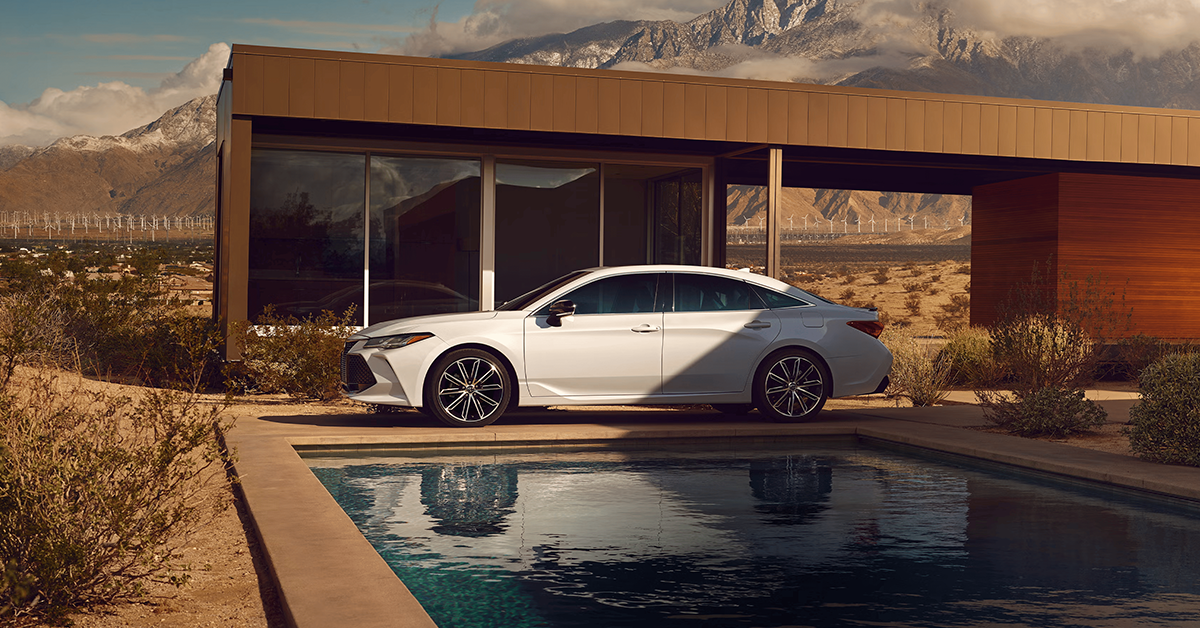
Official press image of the Toyota Avalon. | © Toyota Motor Corporation
Toyota's former full-size flagship sedan, discontinued in the US after the 2022 model year and never directly replaced — the Crown occupies similar premium-sedan territory today but takes a genuinely different design and mechanical approach. The Avalon spent nearly three decades as Toyota's most conservative, comfort-focused sedan, prioritising a smooth ride and generous rear-seat space over sportiness, and its discontinuation reflected the broader American shift away from large traditional sedans toward SUVs and crossovers across nearly every manufacturer's lineup.
Across its five generations, spanning 1994 to 2022, the Avalon consistently served as Toyota's largest, most comfort-oriented sedan below the Japan-only Century, offering genuinely more interior space than the Camry while retaining a similar mechanical foundation for cost efficiency. The final generation, running from 2018 to 2022, introduced genuinely sharper styling and a hybrid powertrain option, but ultimately couldn't reverse the segment-wide decline in full-size sedan demand that had already claimed similar nameplates from Ford, Chevrolet and other American and Japanese manufacturers over the preceding decade.
Toyota's decision to end Avalon production rather than force a costly redesign onto a shrinking market segment reflects a genuinely pragmatic approach to nameplate management the company has applied elsewhere in its lineup — rather than propping up a declining product indefinitely, Toyota redirected the engineering and marketing resources that would have gone into a sixth-generation Avalon toward the Crown instead, a genuinely fresh approach to the same premium-sedan territory rather than a direct continuation of the Avalon's more conservative formula.
Used and certified pre-owned Avalons remain a genuinely popular choice among buyers specifically seeking a comfortable, reliable full-size sedan without paying new-car prices for something Toyota no longer builds, and the model's reputation for long-term durability has kept resale values holding up considerably better than the broader full-size sedan segment's overall decline might suggest.
Throughout its production run, the Avalon consistently positioned itself as a genuinely more affordable alternative to Lexus's ES sedan, sharing considerable mechanical underpinnings while offering Toyota-badge pricing and a somewhat less overtly luxury-focused interior. That relationship meant the Avalon's discontinuation also removed a genuine stepping-stone model that had, for decades, eased Toyota loyalists into eventually considering a Lexus purchase once their budgets and expectations grew, a subtle but real loss within Toyota's broader brand-family strategy.
Enthusiasts of the nameplate specifically point to the fourth-generation Avalon, produced from 2013 to 2018, as the high-water mark for the model — genuinely sharper styling than any generation before it, alongside a hybrid powertrain option that anticipated the electrification strategy Toyota would later apply across nearly its entire sedan lineup, making the Avalon's eventual discontinuation feel, to many longtime owners, like the loss of a genuinely well-sorted car rather than an overdue retirement. Toyota's decision not to revive the nameplate, even as the Crown carved out genuinely strong sales momentum in similar territory, suggests the company views the Avalon chapter as definitively closed rather than a name it might eventually dust off again.
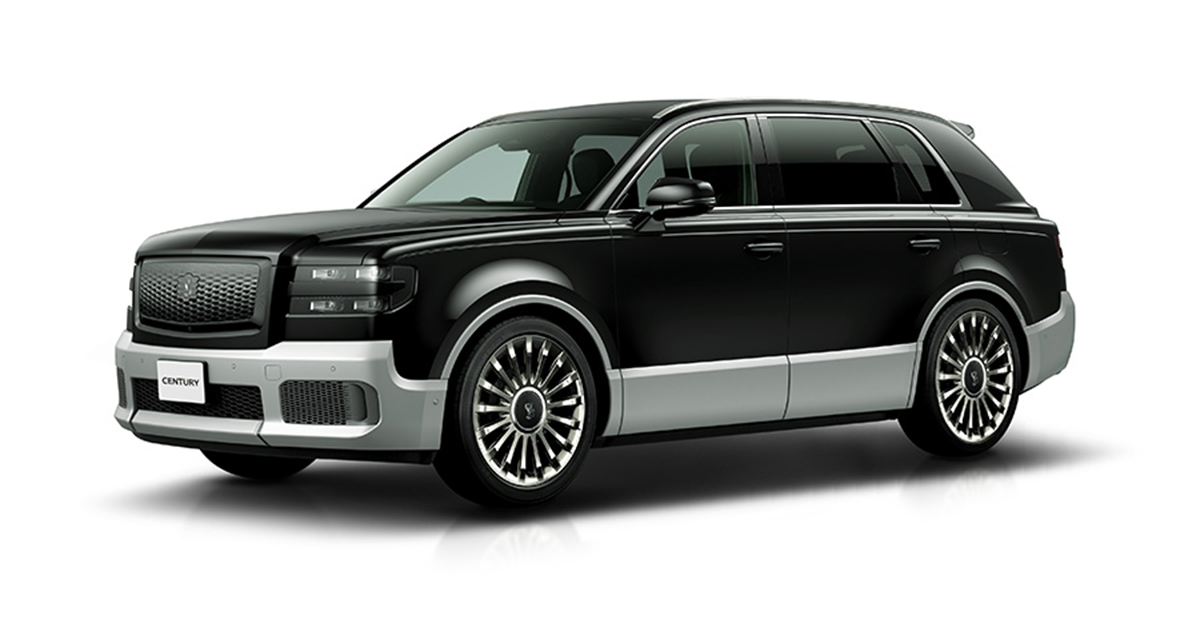
Official press image of the Toyota Century. | © Toyota Motor Corporation
Toyota's ultra-exclusive flagship limousine, hand-built in Japan and never officially exported or sold in the United States. The Century has served as the preferred chauffeured car for Japanese royalty, senior government officials and corporate executives since 1967, prioritising near-silent refinement and understated, deliberately non-flashy styling over any overt luxury branding. Its considerably lower production volume and hand-assembly process place it in a genuinely different category from every other sedan on this list, closer to a bespoke commission than a conventional mass-market car.
The Century's design philosophy genuinely inverts the typical luxury-car playbook: where most flagship sedans compete on visible opulence and outward styling drama, the Century deliberately understates itself, reflecting a specifically Japanese cultural preference among its target buyers for quiet, dignified restraint over conspicuous display of wealth. Production numbers remain genuinely tiny compared with any mainstream Toyota model — likely numbering in the low thousands annually at most — and the current third generation, introduced in 2018, moved to a hybrid V8 powertrain, a genuinely significant technical step given how few ultra-luxury flagship sedans anywhere in the world have adopted hybrid technology at this level.
For American readers specifically, the Century's complete absence from the US market makes it one of the more genuinely fascinating entries in Toyota's global lineup precisely because of how invisible it remains outside Japan — a car built to the same exacting standards as any Rolls-Royce or Bentley, yet almost entirely unknown to Western car buyers who have never had the opportunity to see one in person, let alone purchase one through official channels. Used Centurys occasionally surface through specialist grey-market importers once they clear the relevant import age thresholds, commanding genuinely significant premiums from collectors specifically drawn to the model's rarity and its status as arguably the purest expression of Toyota's engineering philosophy applied without any real-world cost constraints.
Every Century is built using a genuinely distinct manufacturing process compared with Toyota's mainstream models, involving considerably more hand-finishing and quality-control inspection at every stage. The interior specifically emphasises rear-passenger comfort above all else, reflecting its primary role as a chauffeured vehicle rather than one typically driven by its owner, with reclining rear seats, dedicated rear climate controls and sound insulation genuinely rivalling anything from established Western ultra-luxury marques.
The Century's iconic phoenix hood ornament, a genuinely distinctive design element unique to the nameplate, has remained essentially unchanged across all three generations since 1967, symbolising the model's deliberate resistance to chasing fleeting styling trends in favour of a considered, timeless design philosophy that mirrors the car's broader emphasis on quiet, dignified longevity over visible novelty. Toyota reportedly maintains genuinely strict allocation controls over who may purchase a new Century, prioritising long-standing corporate and government relationships over open retail sale. Even Japanese celebrities and business leaders with substantial personal wealth often find themselves waiting considerably longer than a typical luxury car order would require, reflecting Toyota's deliberate scarcity around the nameplate.
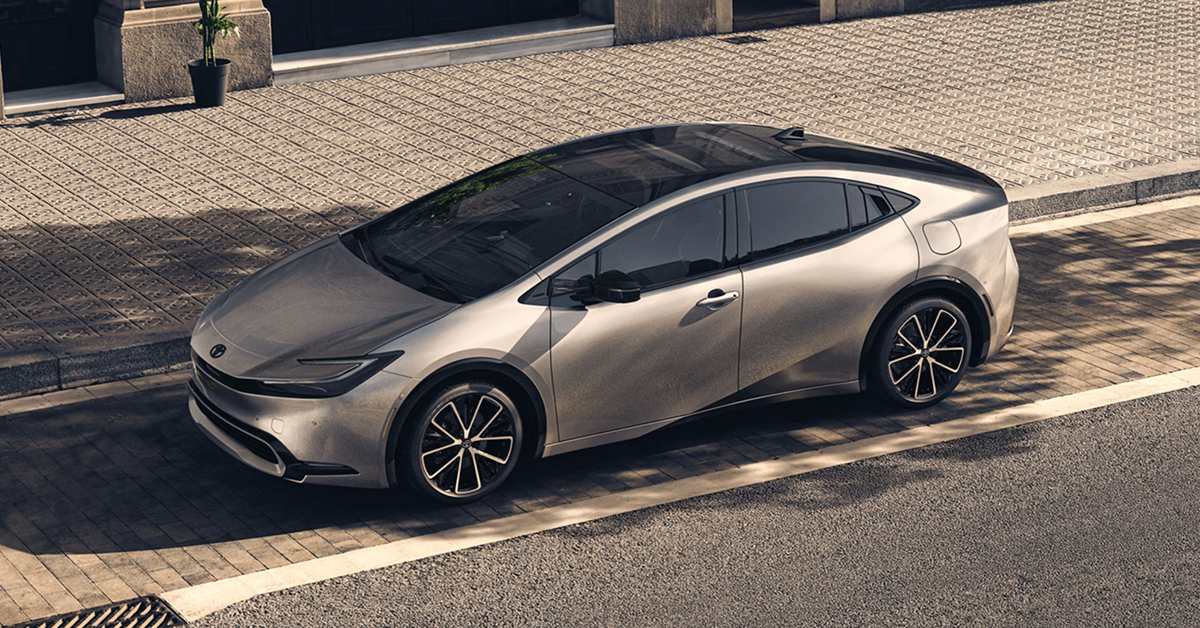
Official press image of the Toyota Prius. | © Toyota Motor Corporation
The efficiency benchmark of Toyota's entire lineup, technically a liftback rather than a conventional three-box sedan, but consistently cross-shopped against sedans given its similar size and pricing. Up to 57 mpg combined on front-wheel-drive trims makes it among the most fuel-efficient vehicles sold in America, and the current, fifth-generation redesign abandoned the nameplate's long-standing reputation for awkward styling in favour of a considerably sleeker, more coupe-like body. Launched in Japan in 1997 as the world's first mass-produced hybrid passenger car, the Prius name has since become genuine shorthand for hybrid technology itself.
For over two decades, the Prius effectively defined an entire vehicle category in American popular culture — genuinely rare for a single model to become synonymous with hybrid technology so completely that competitors' marketing departments spent years trying to differentiate their own hybrids from simply being compared to “a Prius.” Toyota has sold well over 5 million Prius units globally since launch, and the current generation's redesigned styling has been credited with meaningfully broadening the car's appeal beyond its traditionally eco-conscious core buyer base toward genuinely style-conscious shoppers who previously dismissed the Prius purely on looks.
Ownership costs remain a genuine strength across the board. Toyota's hybrid battery warranty on the Prius extends considerably longer than the standard new-vehicle warranty, and real-world reliability data collected across two decades of Prius ownership consistently shows hybrid battery packs lasting well beyond 150,000 miles with minimal degradation under normal use — a genuine reassurance for buyers who remain sceptical about long-term hybrid battery health based on outdated assumptions from the technology's earlier years. Trim levels span LE, XLE, Nightshade and Limited, with the top Limited trim adding a digital rearview mirror, a head-up display and a premium JBL sound system alongside the shared hybrid powertrain every trim uses, and all-wheel-drive trims returning a still-strong 54 mpg combined despite the added mechanical complexity.
Reviewer reception of the current Prius generation has been consistently strong, with automotive press repeatedly noting that Toyota managed something genuinely difficult: making the Prius desirable on its own merits, rather than purely as a badge of environmental virtue. Where earlier generations were sometimes purchased specifically because their distinctive silhouette signalled hybrid ownership to onlookers, the current car's considerably more conventional styling means buyers increasingly choose it for the same reasons they'd choose any other compact car — genuine driving enjoyment, strong resale value and low running costs.
Toyota's own internal data suggests the redesigned Prius has attracted a meaningfully younger buyer demographic than previous generations managed, a genuine shift in a nameplate that had, for years, carried an image skewing considerably older and more overtly eco-conscious than the broader compact car market, reflecting how successfully the current generation's styling overhaul has repositioned the car for a genuinely broader audience. Maintenance costs also run meaningfully lower than a comparable gasoline-only compact car over a typical ownership period, since regenerative braking genuinely extends brake pad life and the smaller gasoline engine experiences less wear thanks to the electric motors handling daily driving duty.
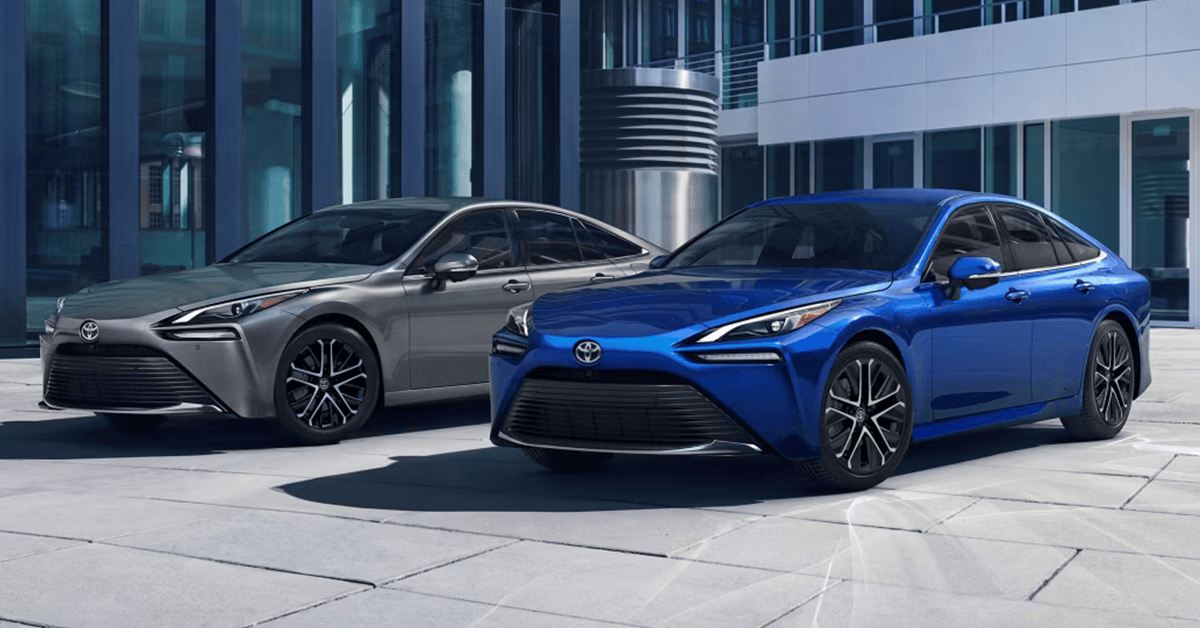
Official press image of the Toyota Mirai. | © Toyota Motor Corporation
The world's first mass-produced hydrogen fuel cell sedan, launched in 2014 and now in its second generation. The 2026 Mirai delivers 182 horsepower and an EPA-estimated range of up to 402 miles, starting at $51,795, but remains sold exclusively in California — the only US state with meaningful hydrogen refuelling infrastructure. Toyota has openly acknowledged the Mirai functions partly as a real-world development platform for its broader hydrogen strategy rather than purely as a mass-market product, a genuinely unusual admission for a car the company continues to update and sell annually.
The honest number that matters most: Toyota sold just 147 Mirai units through Q3 2025, a 54 percent decline, reflecting how genuinely narrow the car's practical addressable market remains given how few hydrogen refuelling stations exist nationwide. Toyota backs every Mirai with an 8-year/100,000-mile FCEV warranty, plus $15,000 of complimentary hydrogen fuel for six years on a purchase or three years on a lease — genuinely aggressive incentives that, for the specific California buyer who can make use of them, can be worth more than the price difference between the Mirai and a comparably equipped gasoline or hybrid sedan.
Inside the cabin, the second-generation Mirai moved decisively away from the awkward, three-box proportions of the original toward a considerably sleeker, rear-wheel-drive-based platform shared with the Toyota Crown and, internationally, the Lexus LS. That platform switch genuinely transformed the driving experience, with reviewers consistently noting the current Mirai handles with a poise closer to a proper Lexus sedan than a science experiment on wheels — a real departure from how the original generation was typically described by early reviewers. Standard equipment includes a 12.3-inch touchscreen, a 14-speaker premium JBL audio system, and Toyota Safety Sense's full driver-assistance suite, positioning the Mirai as a genuinely well-equipped, comfortable daily driver rather than a stripped-down technology demonstrator, and the car qualifies for California's Clean Vehicle Rebate Project and carpool lane access in most configurations.
Hydrogen itself isn't a primary energy source the way oil or natural gas is — it's an energy carrier, meaning it has to be produced first, typically either through electrolysis using renewable electricity or extraction from natural gas. Toyota has been careful in its own marketing to acknowledge this nuance rather than claim the Mirai is automatically zero-carbon regardless of where its hydrogen comes from, a level of honesty that genuinely sets the company's messaging apart from some competitors' more sweeping environmental claims.
Toyota has continued expanding its network of preferred hydrogen retailers specifically to make fuelling more convenient for existing Mirai owners, and the complimentary hydrogen fuel allowance alone can be worth more than the price difference between the Mirai and a comparably equipped gasoline or hybrid sedan for buyers who genuinely maximise the offer across its full multi-year duration. The car also carries a genuinely distinct resale proposition among California buyers specifically, given how few used hydrogen vehicles exist on the secondhand market compared with conventional gasoline or hybrid alternatives at similar price points.
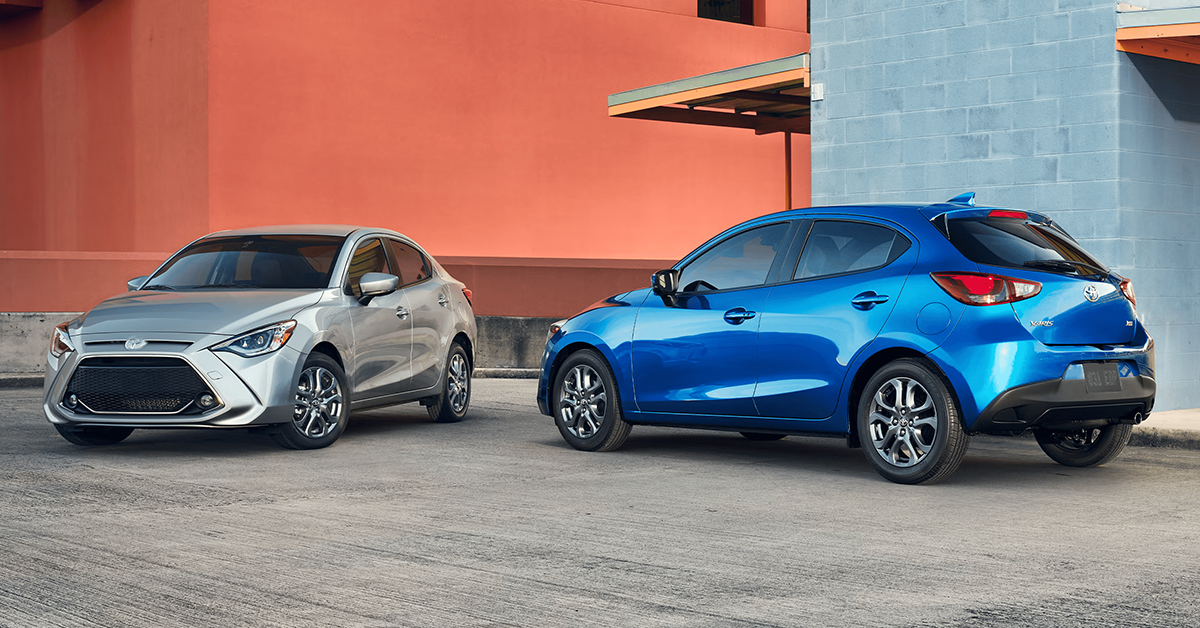
Official press image of the Toyota Yaris. | © Toyota Motor Corporation
Toyota's subcompact sedan and hatchback, no longer sold in the United States since Toyota discontinued the nameplate domestically after the 2020 model year, ceding that market segment largely to the Corolla. The Yaris remains genuinely important internationally, however, particularly across Europe, Japan and parts of Asia, where subcompact cars retain considerably stronger demand than in the American market's ongoing shift toward larger vehicles and SUVs. Toyota continues actively developing and updating the Yaris for these markets, including performance-oriented GR Yaris variants that have never been officially sold in the US.
The GR Yaris specifically represents one of Toyota's most genuinely enthusiast-focused products anywhere in its current global lineup — a homologation-inspired hot hatch built around a bespoke turbocharged three-cylinder engine and genuine all-wheel drive, developed with direct input from Toyota's World Rally Championship programme. Its complete absence from the American market has made it a genuine object of desire among US enthusiasts, with grey-market import interest building steadily as the car approaches eligibility under the country's 25-year import rule in future years.
For markets where the Yaris remains on sale, Toyota has continued investing meaningfully in the nameplate rather than treating it as a legacy product in managed decline. The current generation, built on Toyota's GA-B platform shared with several other compact global models, brought genuinely sharper handling and improved fuel economy over its predecessor, reflecting the continued commercial importance of subcompact cars in markets where urban density, fuel prices and parking constraints make smaller vehicles a genuinely practical default rather than a compromise. Toyota's continued global commitment to the Yaris nameplate, even as it disappeared entirely from American showrooms, illustrates a genuinely important pattern across the company's broader product strategy: rather than forcing a single global lineup onto every market simultaneously, Toyota consistently tailors its offerings to match genuinely different regional buyer priorities, discontinuing nameplates domestically where demand has shifted while continuing meaningful investment wherever a real market still exists.
The current international Yaris also serves as a genuine technology testbed for smaller-scale hybrid systems Toyota later scales up for larger models, given how much more sensitive a subcompact car's overall efficiency and packaging are to any added powertrain weight or complexity. Toyota Safety Sense comes standard across international Yaris trims as well, ensuring buyers in every market get access to broadly comparable active safety technology regardless of the car's considerably smaller footprint and price point compared with the rest of the global lineup.
American enthusiasts specifically following the Yaris and GR Yaris from a distance have built a genuine online community around tracking Japanese and European market updates, effectively treating the nameplate's continued international development as a preview of technology and design language that occasionally does eventually filter into models Toyota does sell domestically, even without the Yaris itself ever returning to US showrooms. Toyota has given no public indication of reviving the standard Yaris for America, even as the GR Yaris's cult reputation among enthusiasts has grown considerably in its absence from official domestic sale.